AT HOME
The U.S. Department of Homeland Security says when preparing for an emergency situation, start with the basics of survival: clean water, food, clean air and warmth. Biological and nuclear incidents, emergencies involving the supply of utilities ( no power or water). The following lists will help you Be Prepared for times of emergency.
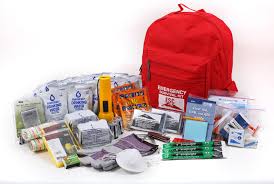
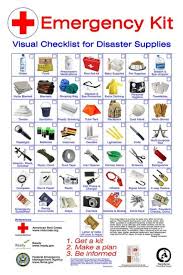
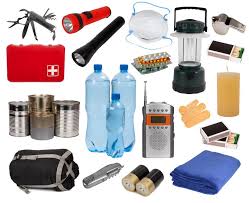
Family Emergency Kit
If you must evacuate your home with little notice …
- Three-day supply of water (1 Gallon of water person per day just for drinking, eating and sanitation)
- Nonperishable foods (including pet food) and a nonelectric can opener
- Eating utensils
- Special foods for any dietary restrictions, including baby foods
- Family first-aid kit
- Battery- or cranked-powered radio
- Flashlight
- Extra batteries (rotate these out regularly so they don’t go stale in your closet)
- Matches in waterproof container
- Blanket or sleeping bag for each family member
- Extra clothing
- Face masks for air filtering
- Soap, wipes, antibacterial gel
- Toilet paper
- Copies of important family documents in waterproof containers
- Signal whistle
- Local maps
- Cash
- Major Disaster Preparedness Items
If you can safely stay in your home during an emergency …
- Fire extinguisher
- Tool kit (with ax, shovel, broom, screwdriver, pliers, hammer, coil of rope, coil of bailing wire, duct tape, razor blades, adjustable wrench for turning off gas or water)
- Chart showing location of shutoff valves in your home, including the main electrical switch
- Portable fire escape ladder for homes or buildings of more than one floor
- Portable butane or charcoal stove (to be used outdoors away from the garage)
- Gloves and cloths for cleaning up dangerous spills
- Covered containers for storing waste
- Garden hose kept near an outside faucet
- 3 gallons of water per person per day (drinking, eating, washing and sanitation) bleach to sanitize water
- duct tape
- Personal Emergency Service Pack
If you and your troop are called out to serve during an emergency …
- Poncho or raincoat with hood
- Change or underwear and socks
- Small bag with toiletries
- Sleeping bag and waterproof ground cloth
- Map of area where you’re going
- 50 feet of No. 5 sash cord
- Hand ax, folding saw or pocketknife
- Water treatment equipment
- Cook kit and canteen
- Flashlight
- Battery-powered radio
- Extra batteries
- Personal first-aid kit
- Matches in waterproof container
- Emergency ration
- Pencil and small notebook
- Handkerchief
- Compass and map of the area (and GPS if you have one, with extra batteries)
- Watch
- Facial tissues
- Work gloves
- Face masks for air filtering
Storing water
If you do not open your refrigerator you food could last up to 3 days if you tape the edges shut. You can only live 3 days with no water
The FDA says that commercially bottled water doesn’t have a shelf life because it’s produced in sanitary facilities and doesn’t contain additives that can spoil. However, there are some things to consider when storing bottled water:
Storage
Store bottled water away from heat and sunlight
Plastic bottles
The plastic bottles that contain water can degrade over time, which can lead to odd tastes and microplastics entering the water.
Opened water
Water that’s been opened may taste different because it absorbs carbon dioxide. Some recommend drinking opened water within three days.
Emergency water supply
If you’re storing water for an emergency, replace the water every six months. You can disinfect the water with unscented liquid household chlorine bleach that contains between 5% and 9% sodium hypochlorite